AI systems for Clinical Care
Register for WorkshopAI systems for Clinical Care
A comprehensive two-session workshop introducing doctors and healthcare professionals to practical AI applications in clinical settings.
Join us for hands-on learning and real-world case studies.
BATCH 2
April 2026
Saturday & Sunday Sessions
10 am to 1:30 pm
Two comprehensive sessions
Session Length
Per Session
Intensive Learning
Total: 7 hours of training
Workshop Theme: This workshop focuses on "Clinical AI - Applications & Uses" providing participants with a comprehensive understanding of how artificial intelligence can be practically applied in clinical settings. Through real-world case studies and hands-on exercises, you'll learn to identify opportunities for AI integration in your practice.
Workshop Sessions
Our curriculum is designed to provide both theoretical understanding and practical application of AI in healthcare settings.
Day 1, Saturday
Clinical AI Foundations (Built Around Real Workflows)
Focus
Grounding AI in real clinical reality: messy data, high-stakes decisions, and where AI can safely support clinicians.
What We Will Cover
Clinical problem framing, healthcare data types, ML basics in clinical settings, and how NLP, imaging, and multimodal AI support decision-making.
Exercise
Participants map a real clinical workflow, identify where information breaks down, and outline where AI can assist without taking clinical authority. The goal is to shift from "AI theory" to practical clinical thinking.
Outcome
A clear understanding of how clinical AI works in real hospital environments and how to evaluate its role safely.
Day 2, Sunday
LLMs, Agents, Safety Systems, and Deployment
Focus
Learning how to build safe, human-in-the-loop AI systems that work in real healthcare environments.
What We Will Cover
LLM fundamentals and risks, structured prompting for safety, agent-based workflows with RAG, and real-world evaluation, guardrails, and deployment (with a focus on discharge).
Exercise
Participants design a discharge-support AI workflow including prompts, guardrails, and review checkpoints, then test outputs using a simple clinical evaluation checklist for safety and completeness.
Outcome
The ability to design, test, and deploy clinical AI workflows responsibly, with clinician control and safety built in.
Key Outcomes of the Workshop
By the end of the workshop, participants will have achieved:
Hands-on AI Experience
Build and interact with a simple clinical AI tool (e.g., a diagnostic assistant), gaining first-hand experience in how AI models can be deployed in practice.
Clinical Case Simulations
Work through case studies that demonstrate AI's impact on diagnostics, treatment planning, or healthcare operations, all in a controlled, discussion-driven setting.
Safety & Ethics Understanding
Learn about safety guardrails, ethical considerations, and risk mitigation when implementing AI in healthcare-ensuring any innovation is patient-centered and safe.
Peer Collaboration
Develop interdisciplinary teamwork skills by engaging with peers from medicine and tech, mirroring real-world healthcare innovation teams.
Learn from Industry Experts
Our faculty team combines deep technical expertise with real-world clinical experience, ensuring you receive practical, actionable insights.
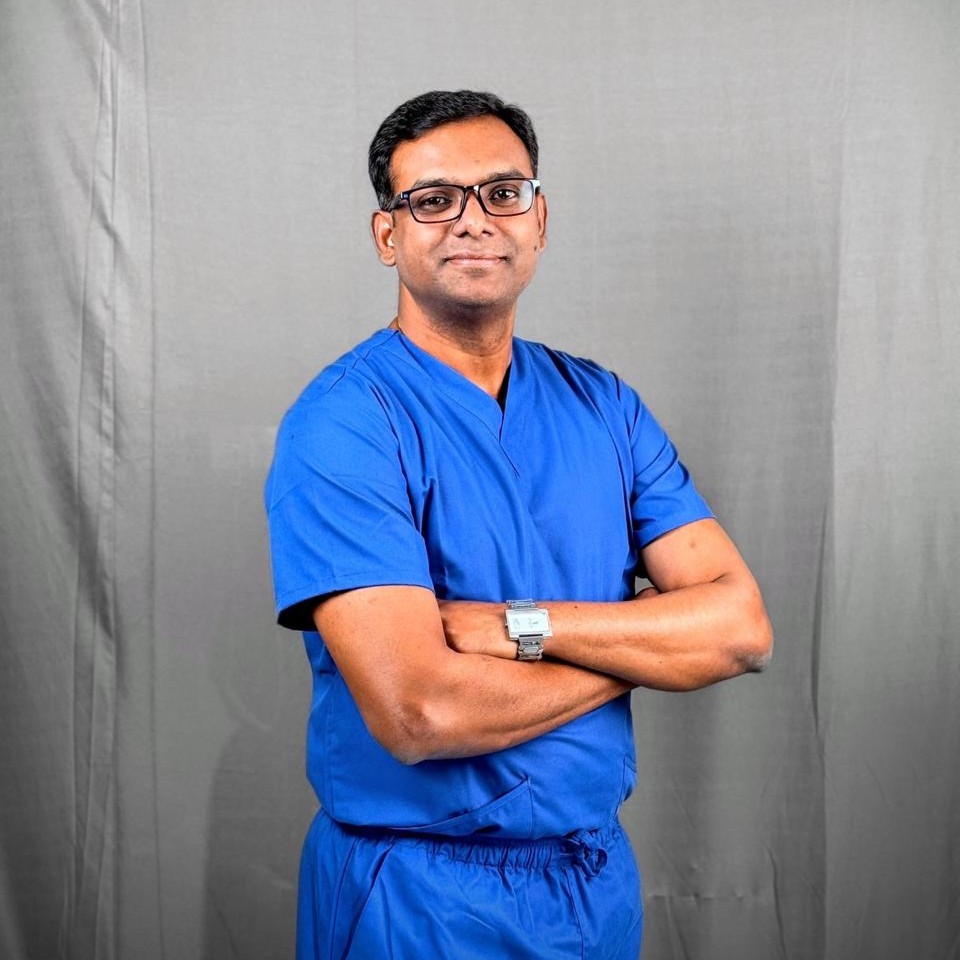
Dr. Sunil Kumar V
Consultant Surgeon
BMCRI, Victoria Hospital
Dr. Sunil Kumar V is a practicing surgeon with a keen interest in medical innovation and healthcare AI. He brings a clinician's perspective to the workshop, ensuring that all AI applications discussed are practical, safe, and aligned with real-world clinical needs. His experience bridges the gap between medical practice and technological innovation.
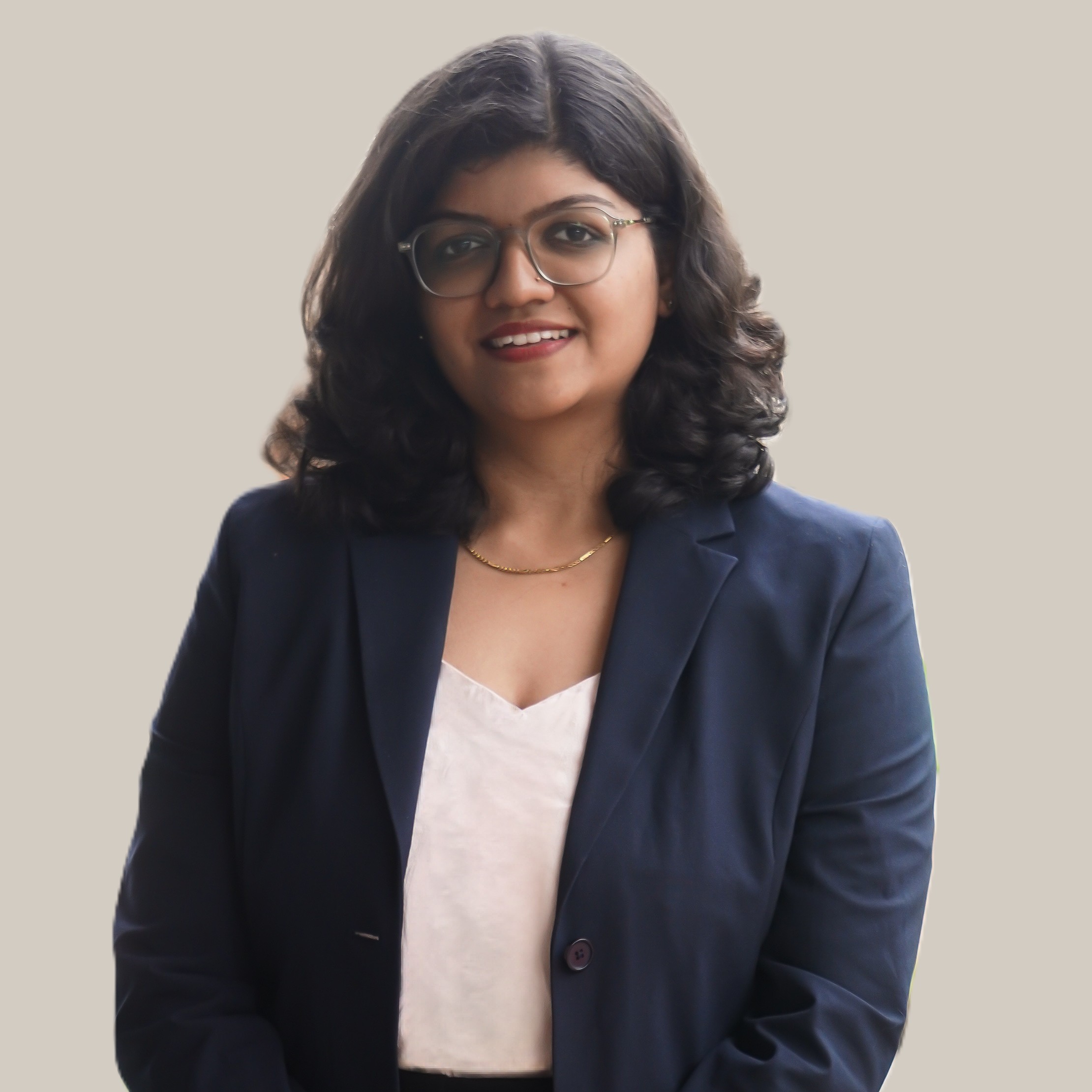
Rachita C
Senior Data Scientist
CellStrat AI Lab
Rachita specializes in natural language processing and clinical AI applications. She has extensive experience in developing AI solutions for healthcare documentation, clinical decision support, and medical text analysis. Her expertise in NLP and data engineering makes her an invaluable resource for understanding how AI can process and analyze clinical data.

Dr. Komal Solanki
BDS, Clinical AI
CellStrat AI Lab
Dr. Komal is a clinically trained dentist working at the intersection of healthcare and artificial intelligence. At CellStrat, she focuses on translating AI concepts into practical, safe, and clinically relevant applications. She brings a clinician’s perspective to how AI tools are understood, evaluated, and used in real healthcare workflows.